
A quick timeline of food from prehistoric to modern times.
If there is one thing we are all sure of is: humans love to eat. Due to capitalism, technology, information and easier mobility, we can eat any type of food from anywhere in the world nowadays. The variety of ingredients and dishes we have are endless. But has it always been this way? What did people use to eat years and years ago? When were the dishes we eat today first created? When did we even start cooking?
Lets go all the way back to prehistoric time and travel by this resumed timeline to understand part of the immense history of food.
Prehistoric:
– 2.5-1.8 million years ago: The discovery of the use of fire and the sharing of its benefits may have created a sense of sharing as a group. Earliest estimation for the invention of cooking. Beginning of the consumption of meat.
– 250,000 years ago: Hearths appear, accepted archeological estimate for invention of cooking.
– 40,000 years ago: First evidence of human fish consumption.
– 30,000 years ago: Earliest archaeological evidence for flour, which was likely processed into an unleavened bread, dates to the Upper Palaeolithic in Europe.
– 16,000 years ago: Man discovers Man is edible.
– 13,000 BCE: Contentious evidence of pet rice in Korea.

Neolithic:
– 8000 BCE: Squash was grown in Mexico.
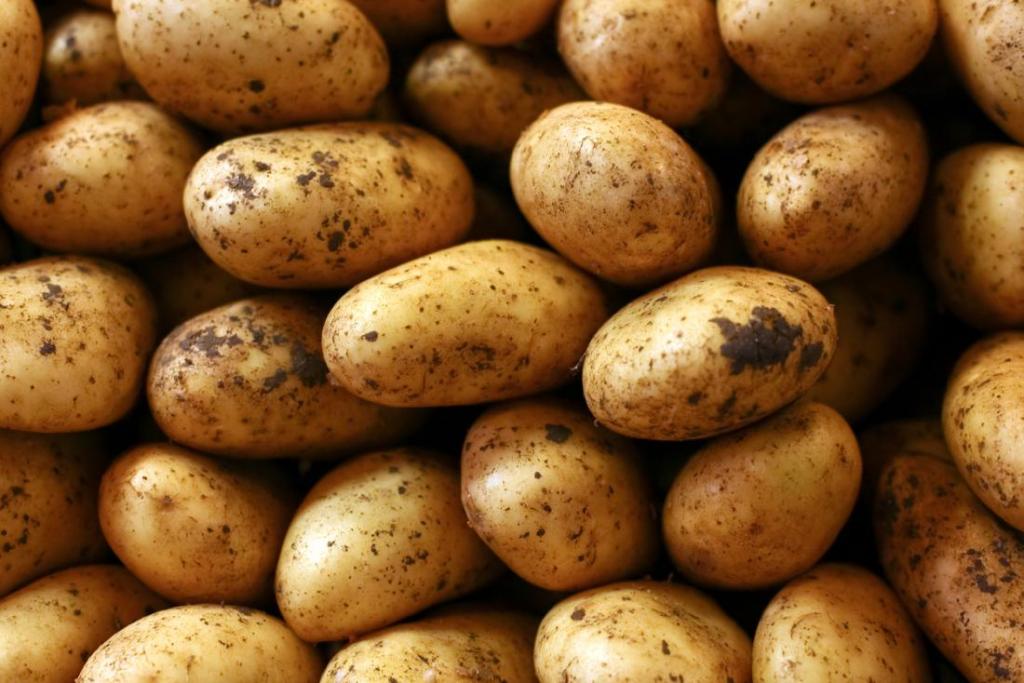
– 8000-5000 BCE: Earliest domestication of potato in the neighbourhood of Lake Titicaca.
– 7000 BCE: Farmers in China began to farm rice and millet.
– 7000 BCE: Chinese villagers were brewing fermented alcoholic drinks.
– 6140-4550 BCE: Archaeological evidence of fish processing and long-term storage, at the Atlit-Yam site, in what is now Israel.
– 6000 BCE: Grapes were first grown for wine.
– 5500 BCE: Earliest secure evidence of cheesemaking in Poland.
– 5000 BCE: Beans begin to be cultivated in the Americas .

4000 – 1 BCE:
– Earliest archaeological evidence for leavened bread is from ancient Egypt.
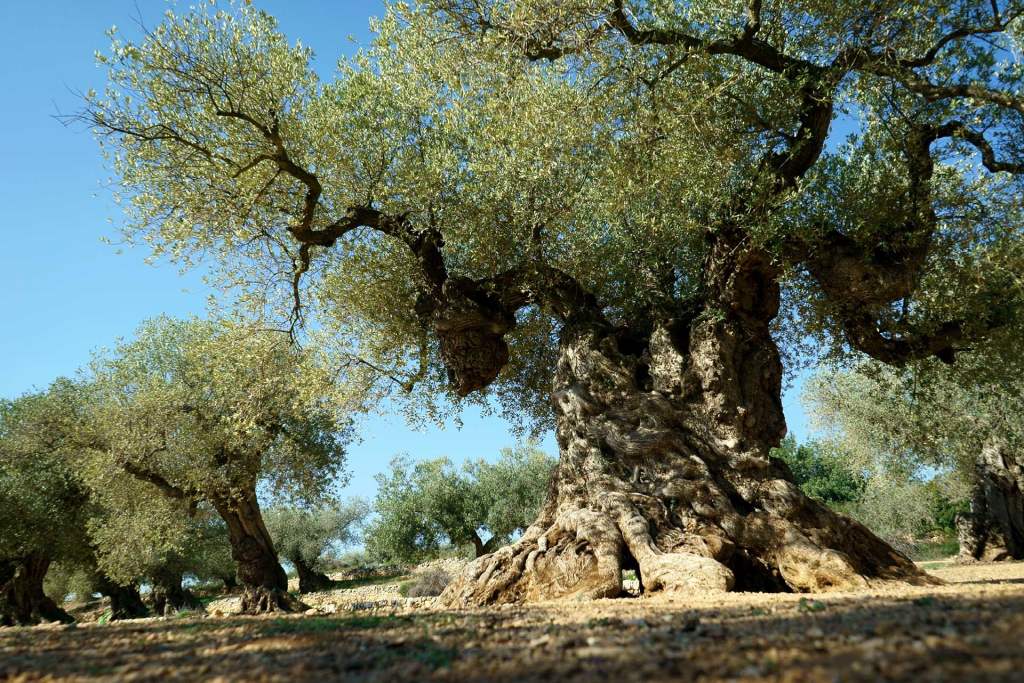
– 4500-3500 BCE: Earliest clear evidence of olive domestication and olive oil extraction.
– 4000 BCE: Agriculture reaches north-eastern Europe.
– 3900 BCE: In Mesopotamia (Ancient Iraq), early evidence of beer is a Sumerian poem honoring Ninkasi, the patron goddess of brewing, which contains the oldest surviving beer recipe, describing the production of beer from barley via bread.
– 3000 BCE: Two alabaster jars found at Saqqara, dating from the First Dynasty of Egypt, contained cheese. These were placed in the tomb about 3000 BC.
– 2500 BCE: Domestic pigs, which are descended from wild boars, are known to have existed about 2500 BC in modern-day Hungary and in Troy
– 1900 BCE: Evidence of chocolate drinks in Mokaya and other pre-Olmec people
– 1100 BCE: Egyptians are able to purchase a flat (unleavened) bread called ta from stalls in the village streets.
– 327-324 BCE: Alexander the Great expedition to India brings the knowledge of rice to Romans. However rice did not enter as cultivation: the Romans preferred to import rice wine instead.
1 – 1000:
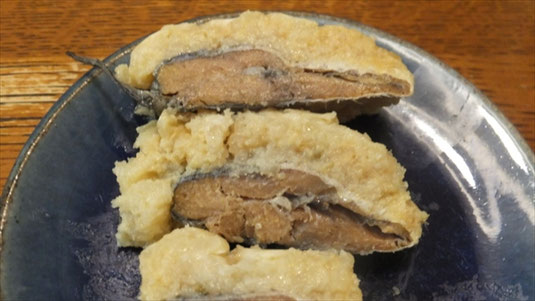
– 8th century: The original type of sushi, known today as narezushi is introduced to Japan.
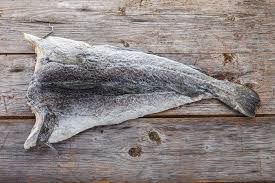
– 800: Cod becomes an important economic commodity in international markets. This market has lasted for more than 1,000 years, enduring the Black Death, wars and other crises, and is still an important Norwegian fish trade.
– 997: The term “pizza” first appears “in a Latin text from the southern Italian town of Gaeta.
1000-1500:
– 12th century: Oldest butter export of Europe.
– 15th century: The Portuguese began fishing cod.
– 15th-16th century: Rice enters the Caribbean.
16th century:
– 1535: Spanish conquerors first see potato.
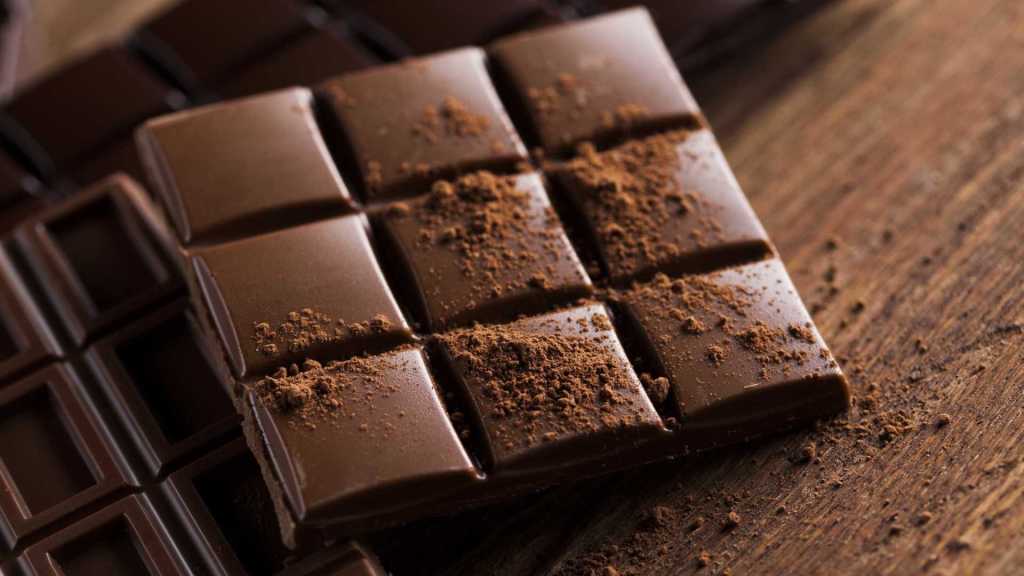
– 1585: First recorded shipment of chocolate to Europe for commercial purposes.
17th century:
– 1605: References to puff pastry.
– 1650-1765: Spreading of potato cultivation in the Netherlands.
– 1651: The government mandates the cultivation of potatoes in Germany.
– 1662: The British Royal Society sponsors the cultivation of potatoes.
18th century:
– 18th century: Soufflé appears in France. Cakes and pastries also begin to appear, thanks to the increasing availability of sugar and the rising of the chef profession
– 1700: Sparkling beer as we know it appears, due to maturation in bottles becoming available
– Pizza begins to appear in Naples.

19th century:
– 1801: G. H. Bent Company starts producing Bent’s water crackers, one of the earliest branded foods.
– 1841: Edmond Albius, a 12-year-old slave who lived on the French island of Réunion in the Indian Ocean, discovered that vanilla could be hand-pollinated. Hand-pollination allowed global cultivation of the plant.
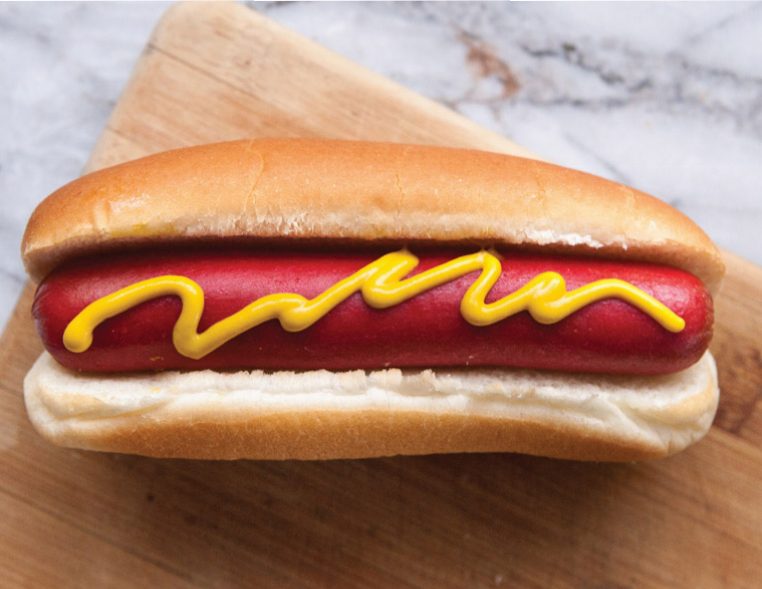
– 1867: Charles Feltman invented the hot dog in his stall in New York.
20th Century:
– 1905: Stamen Grigorov discovered the Lactobacillus bulgaricus, the lactic acid-producing bacteria, which is the true cause for the existence of natural yogurt.
– 1920s: French fries introduced in the United States by returning First World War soldiers
 Eat Up the Past